
an interview
Jul '25With Holocene Electronics
What originally drew you into modular synthesizer design? Was there a specific moment or influence that sparked this direction in your work?
I first got into audio electronics by building DIY noise boxes and guitar pedals. It was an amazing way to learn and explore sound, but over time, constantly connecting and disconnecting everything started to feel like a hassle. I wanted something more streamlined. That’s when modular synths caught my attention. The idea of having everything in one enclosure, powered by a single supply, just made so much sense. Modular felt like the perfect solution: clean, flexible, and self-contained — and with a standardized format like Eurorack, you can easily integrate other people’s designs into your own setup.
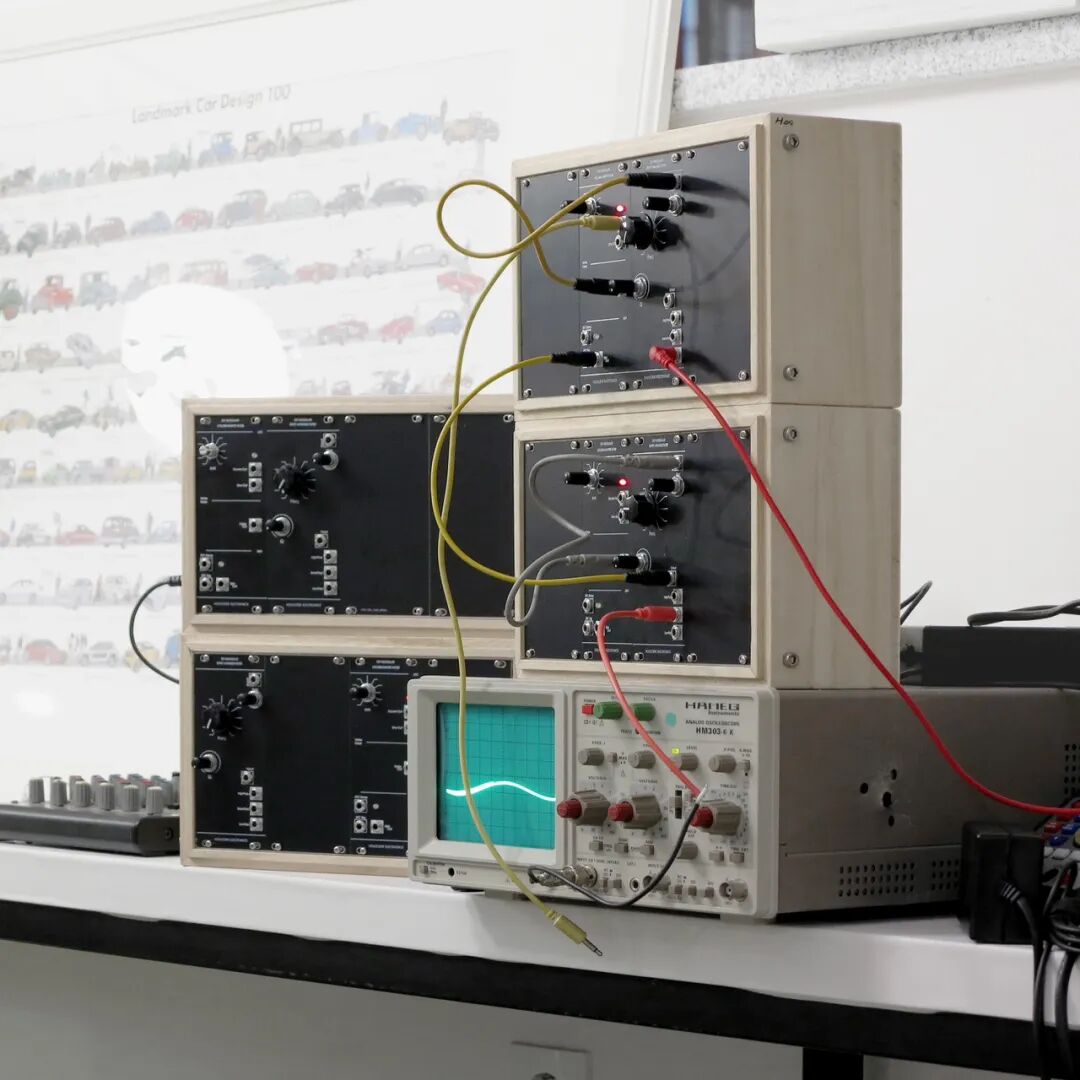
How has your design philosophy evolved since then? Are there particular artistic movements or concepts that continue to influence your work?
My philosophy has always leaned toward simplicity. I strive for designs that are intuitive — where anyone can pick up a module and immediately understand what it does. At the same time, I want my modules to offer depth when integrated into larger systems. I’m drawn to minimal, functional design that doesn’t overwhelm, but still inspires creative exploration.
When you begin designing a new module, what’s your starting point? Do you prioritize functionality, sonic character, user experience, or does something else drive the initial concept?
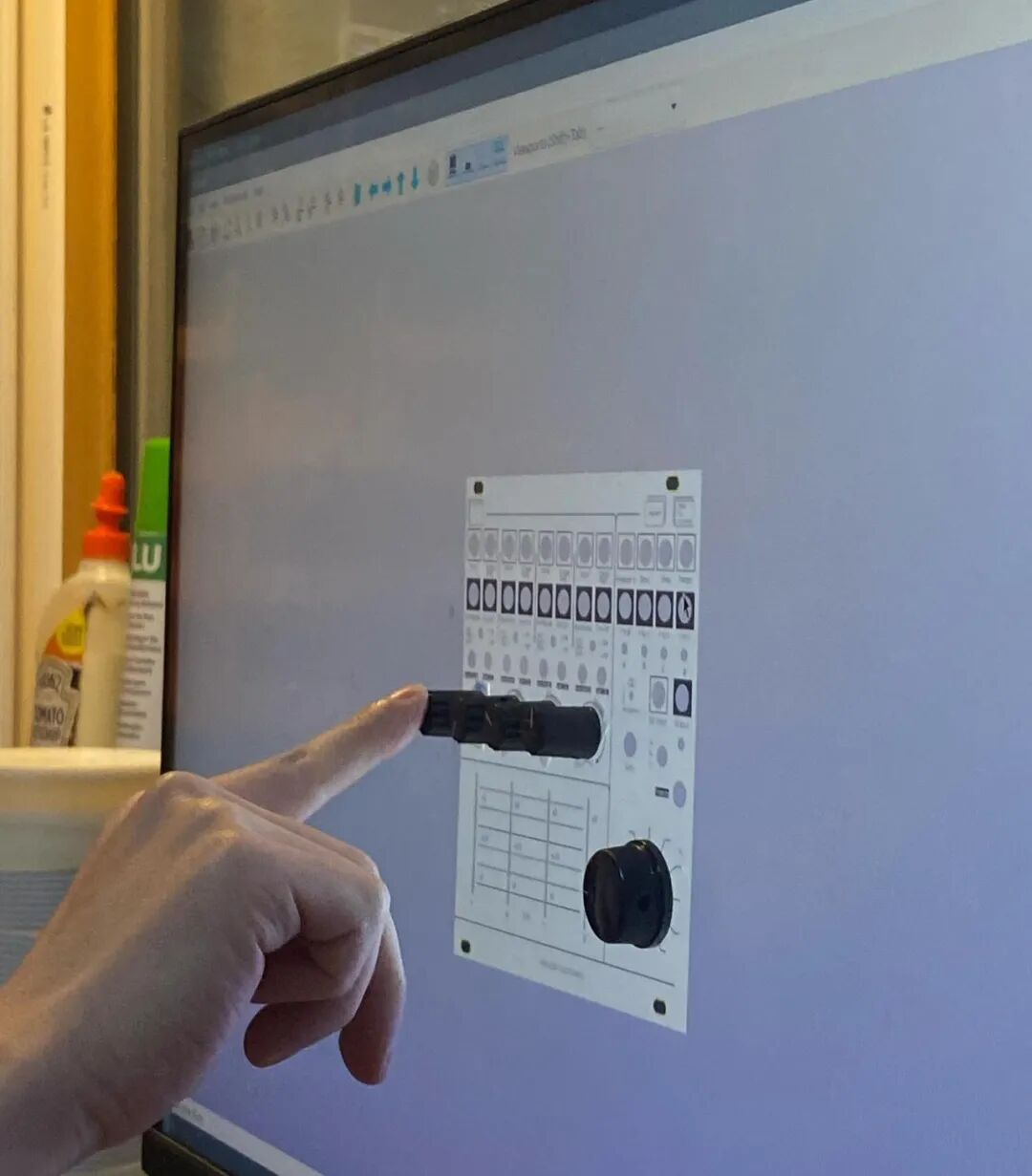
It all starts with a pen and paper. I begin by outlining the core function I want the module to perform. Then I sketch a panel layout to get a sense of how I want the user to interact with it. After that, I move into CAD software, where the panel design really starts to take shape. Throughout the process, I’m always thinking about both function and user experience.
How do you view the relationship between analog and digital elements in your design process?
Lately, I’ve been deeply focused on analog design. There’s something magical about working with analog hardware — it feels almost alive.
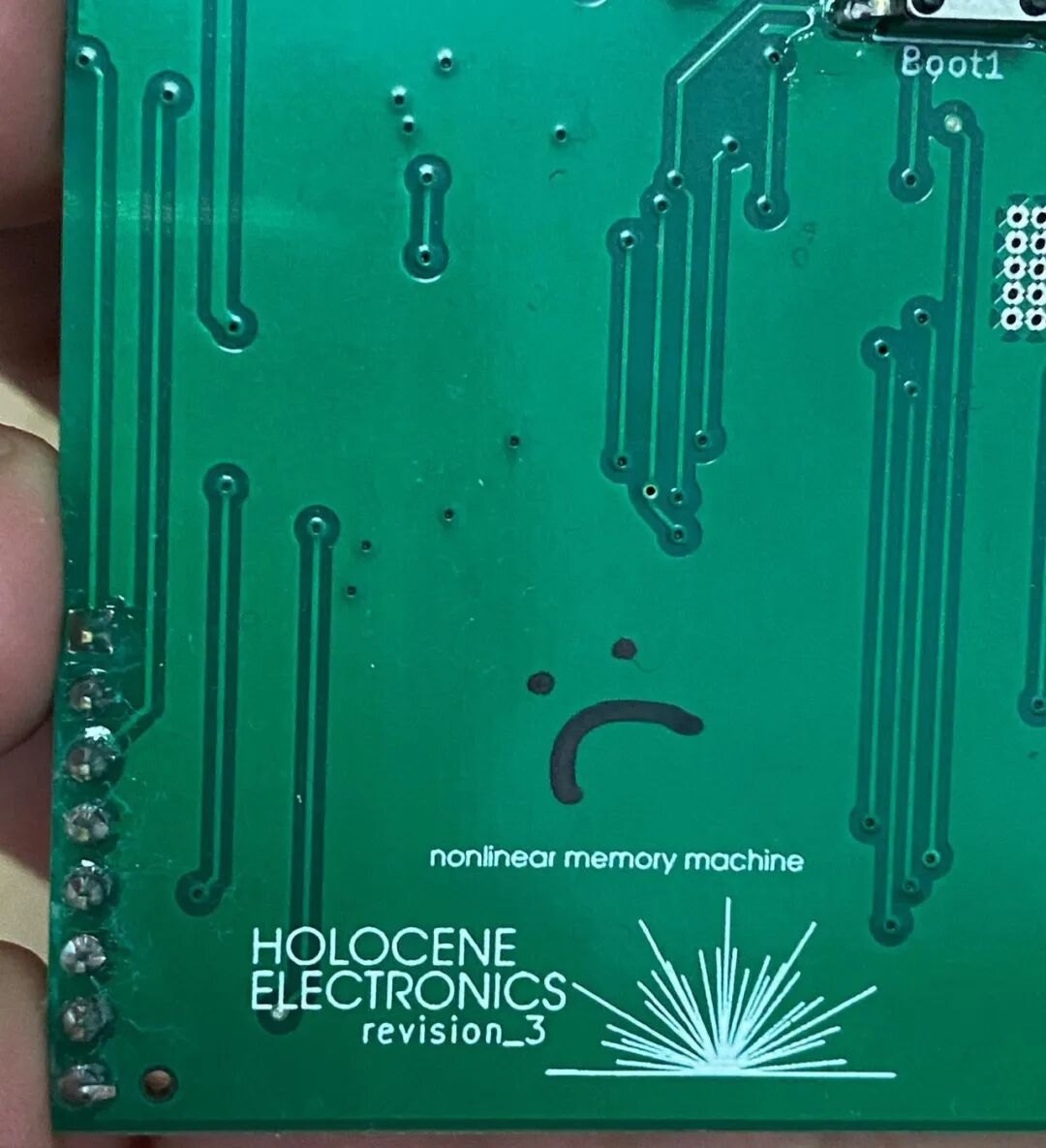
Of course, digital has its own strengths, which I also enjoy exploring. My first commercial module, NLMM, is actually very digital. In fact, it embraces the imperfections inherent in digital systems, such as spectral leakage and phasing during granular processing.
How would you explain the appeal of modular synths to someone completely unfamiliar with them?
If you’ve ever wanted to create your own custom instrument, modular is the way to go. There are so many talented developers making incredible modules at accessible prices. And if you’re someone who dreams of building hardware that reflects your own ideas, but don’t want to dive into the nitty gritty of hardware design, there’s really nothing else like it. It’s a creative playground, a musical lego set.
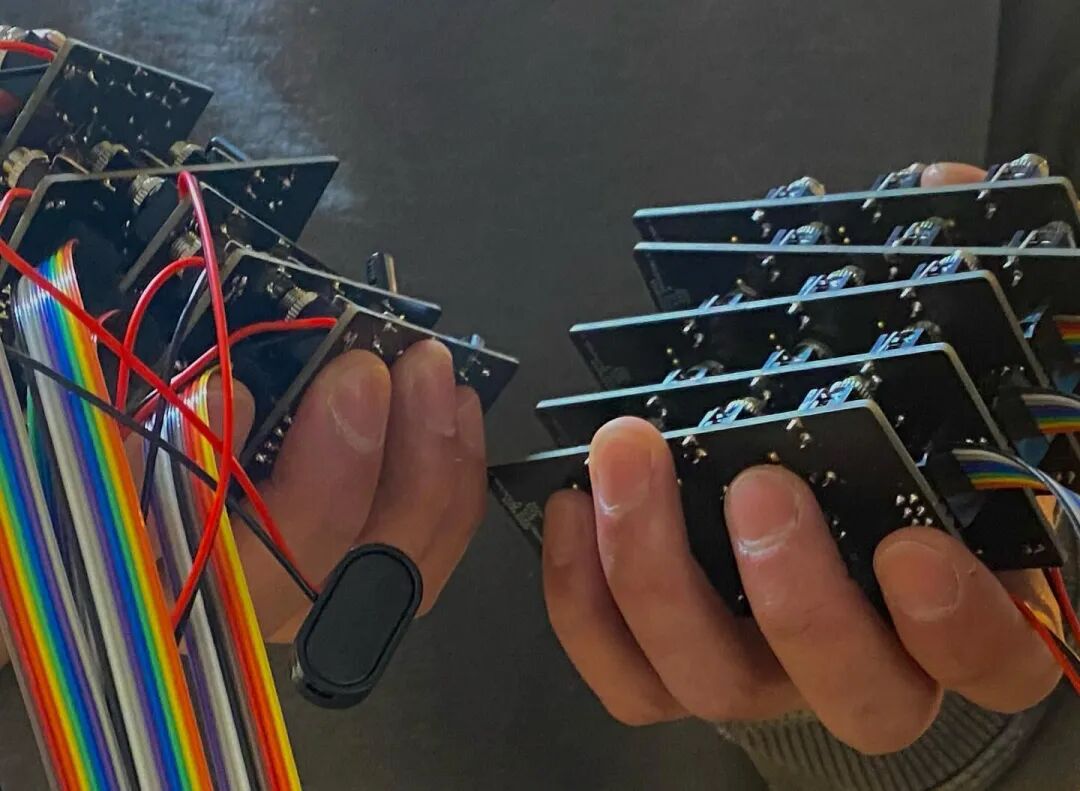
Is there a module concept or idea that’s been living in your imagination — something you’re dreaming of building but haven’t had the opportunity to explore yet?
For the past year, I’ve been working on a semi-modular synth. Unfortunately, development had to pause due to funding issues — but it’s still very much a dream I’m holding onto. I’m trying to find the right balance between affordability, functionality, and expandability. It’s a long-term goal, and I hope to revisit it soon.
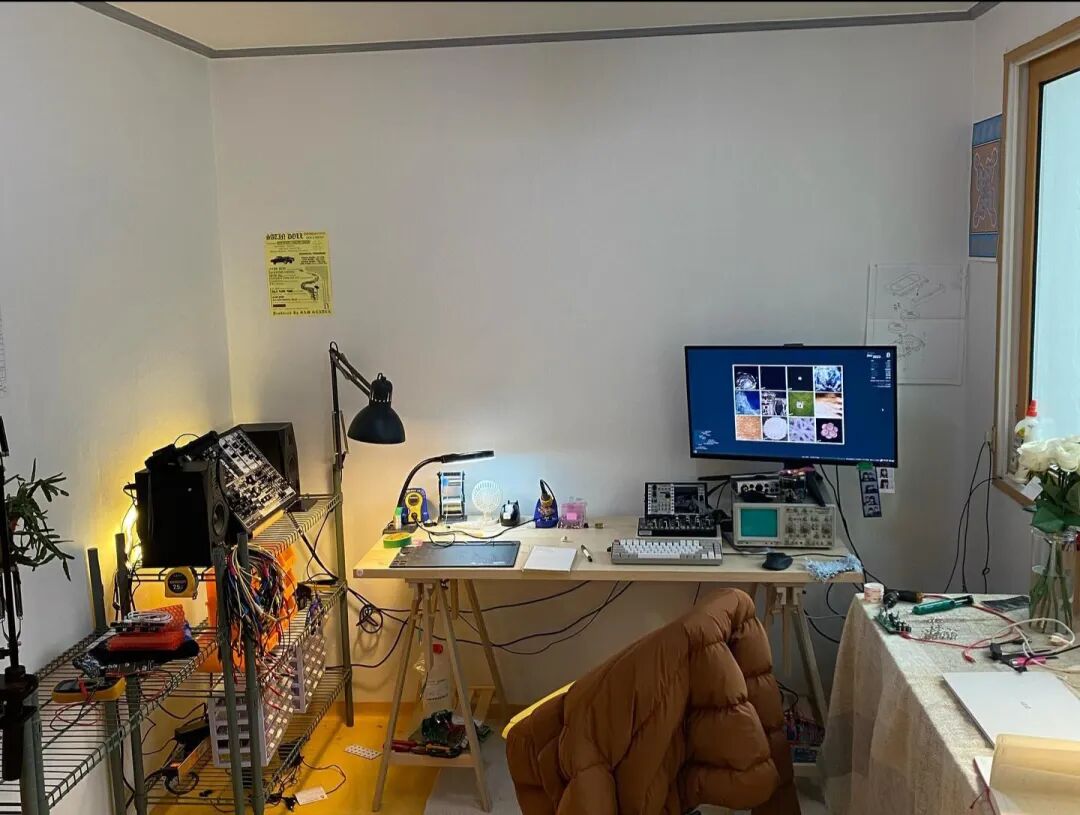
From your perspective, what makes the current modular and sound art scene in Korea distinctive? What’s happening there that excites you?
What excites me most is the growing interest in DIY electronics. The noise scene here is small but passionate, with incredibly talented people who are deeply dedicated to their craft. It’s inspiring to be part of a community that values experimentation and personal expression.
How do you see Asian sound artists and designers contributing to the global modular landscape? Are there unique perspectives or approaches emerging from this region?
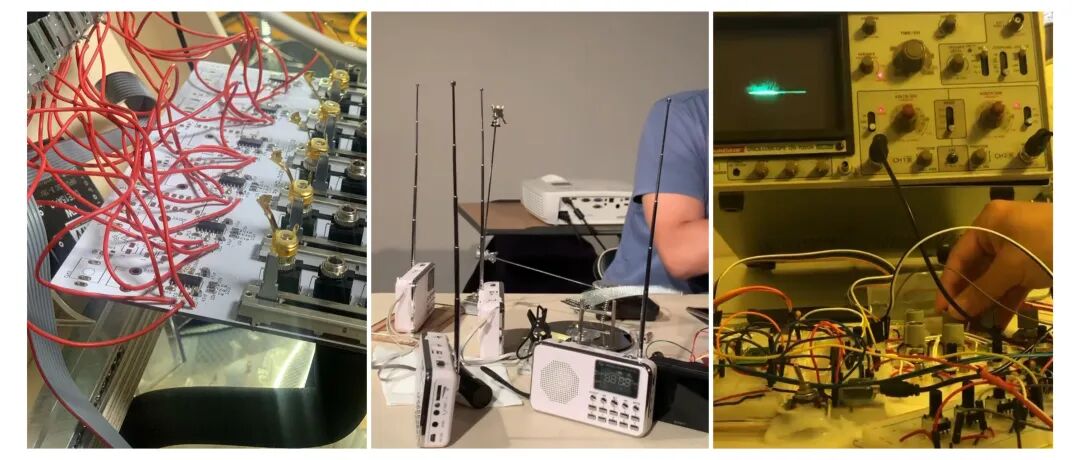
Collaboration is a big part of my process. For example, our AWMS radio module was inspired by a conversation with Minohrichar, a noise musician and artist who commissioned a voltage-controlled radio for his system. AWMS became my interpretation of that collaboration. That kind of artist-driven development feels like the most meaningful and natural way to design modules — where the needs of the artist directly shape the tool.
Thank you for reading.